
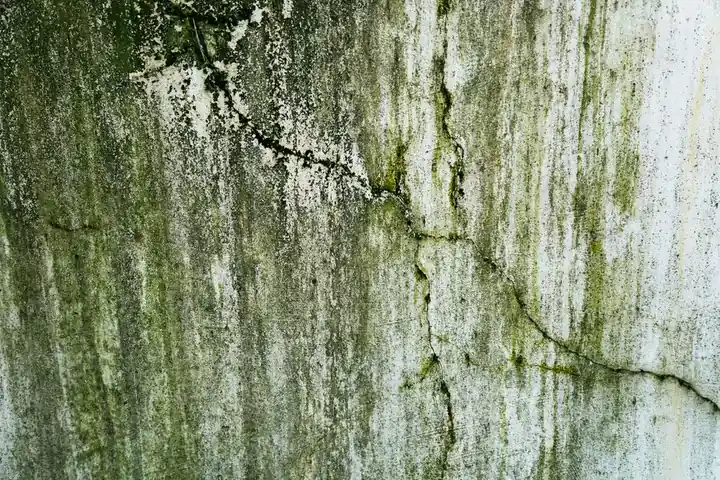
Green mold on siding is almost always a mix of algae and mildew that feeds on moisture, dust, and shade - not the toxic black mold people fear. In Akron, the combination of 38-plus inches of annual rain, humid summers, and heavy tree cover gives that growth everything it needs. The good news: it sits on the surface of vinyl, wood, fiber cement, and aluminum, so you can remove it without replacing the siding in most cases. This guide covers what causes green mold on siding in Akron OH, how to clean it safely, and the steps that actually keep it from coming back next spring.
What green mold on siding actually is
Why does my siding have green mold and how to stop it in Akron OH is a question about a surface growth that is usually algae, not structural mold. The green film you see on north-facing walls is Gloeocapsa magma, a airborne algae that lands on siding, feeds on moisture and the limestone filler in vinyl, and spreads downward in streaks. Mildew and moss join in on shaded walls. It is a cosmetic problem first and a moisture problem second.
Real mold - the kind that indicates rot - shows up on wood siding that stays wet. If you press a screwdriver into a soft spot and it sinks, that is rot, not surface algae. On vinyl, fiber cement, and aluminum, green growth is almost always on top of the paint or surface, not inside it.
Why does my siding have green mold in Akron OH?
Green mold on siding in Akron grows because four conditions line up at once: moisture, organic food, shade, and moderate temperatures. Akron gets all four for most of the year. Rain averages about 38 inches, summer humidity sits in the 70-80% range, and neighborhoods like Highland Square siding installation areas are packed with mature maples and oaks that keep walls damp and shaded for days after a storm.
Here is what we see on Akron homes specifically:
- North and east walls. These get the least sun and stay wet longest after rain. Green mold shows up there first, every time.
- Under tree canopy. Leaves drop organic debris that feeds algae. Streets in West Akron and Merriman Valley are the worst offenders.
- Poor drainage. Gutters that overflow, downspouts that dump at the foundation, and grading that slopes toward the house all push moisture onto the siding.
- Sprinkler overspray. A head aimed at the wall keeps a 3-4 foot band wet all summer.
- Older vinyl. Vinyl siding installed before the mid-2000s has more chalky surface and holds algae better than modern formulations.
Green mold on siding after rain in Akron OH is normal - the question is whether it dries within a day or stays wet for a week. If it stays wet, you will see growth within one season.
Is green mold on siding dangerous in Akron?
Green mold on siding is not dangerous to touch or breathe in the way black mold inside a basement is. The green film is algae and mildew; it does not release mycotoxins the way Stachybotrys does. It will not make your family sick from the outside of the house.
What it does do is shorten the life of your siding. Algae holds moisture against the surface, which breaks down paint on wood and fiber cement and dulls vinyl. Left alone for 3-5 years, it stains deeply enough that cleaning will not fully remove it. On wood siding, persistent moisture leads to rot and eventually to siding repair Akron OH work that costs far more than a cleaning.
If you have asthma or allergies, wear a mask while cleaning. The spores are not toxic, but they are still irritants when you scrub them loose.
How do I remove green mold from my siding in Akron Ohio?
How to remove green mold from vinyl siding in Akron comes down to three things: the right cleaner, the right pressure, and the right technique. Bleach-based cleaners kill the algae; oxygen-bleach cleaners are gentler on paint but slower. Either works if you follow the steps.
- Wet the wall first. Pre-soaking prevents the cleaner from drying too fast and streaking.
- Apply from the bottom up. Start at the lowest course and work upward so cleaner does not run down over dry siding.
- Let it dwell 5-10 minutes. Do not let it dry. If it starts to dry, mist it with water.
- Scrub lightly. A soft-bristle brush on a pole handles most green film. Never use a stiff brush on vinyl - it scuffs the surface.
- Rinse top-down. Rinse the whole wall, not just the spot you cleaned, so you do not leave a clean stripe on a dirty wall.
- Keep pressure under 1,500 PSI. Anything higher forces water behind the siding and causes the exact moisture problem you are trying to fix.
A 1:3 mix of household bleach and water with a squirt of dish soap handles most jobs. For fiber cement, use a cleaner labeled for cement board - bleach alone can dull the finish. For wood, use an oxygen-based cleaner and let it dry fully before you assess whether the stain is gone.
If you would rather not climb a ladder with a bleach mix, we handle Siding replacement Akron OH and full exterior cleaning for homeowners across the city, including soft-wash cleaning that kills algae without damaging the surface.
How to prevent green mold on siding in Akron OH
Siding mold prevention in Akron Ohio is mostly about drying the wall faster and cutting off the food source. You cannot change the rain, but you can change how long the siding stays wet.
- Clean gutters twice a year. Once in late spring after seeds drop, once in November after leaves fall. Overflowing gutters soak the fascia and the top course of siding.
- Extend downspouts 6-10 feet. Water dumped at the foundation wicks up into the wall and feeds mold at the bottom of the siding.
- Trim tree branches back 6-8 feet. More sun on the wall means faster drying. This alone cuts algae growth noticeably on north-facing walls.
- Aim sprinklers away from the house. A 3-foot buffer between the spray arc and the siding stops the constant wet band.
- Wash the siding once a year. A light annual rinse in late spring removes the algae spores before they establish. It takes an afternoon.
- Check the flashing and caulk. A failed caulk joint at a window or corner lets water behind the siding, which grows mold on the back side where you cannot see it.
If your siding is 20+ years old and chalky, cleaning buys you a year or two. At that point, Vinyl siding installation Akron OH with modern algae-resistant formulations is the better long-term fix - the newer products resist growth for 10-15 years with normal maintenance.
Common mistakes that make siding mold worse
The wrong cleaning method can drive mold into the wall cavity and cost you thousands. We see these mistakes on Akron homes every spring.
- Pressure-washing at 3,000+ PSI. This forces water behind the siding, soaks the sheathing, and grows mold where you cannot clean it. It also voids the warranty on most vinyl.
- Bleach on a dry, sunny wall. The bleach dries before it kills the algae, leaving streaks and a bleached-out patch that never matches the rest of the wall.
- Scrubbing with steel wool or a stiff brush. It scratches vinyl and fiber cement and leaves a surface that holds dirt and algae even better.
- Cleaning only the visible spots. Algae spreads from spores you cannot see. Spot-cleaning leaves a halo that comes back within weeks.
- Ignoring the source. If a downspout is dumping at the foundation or a sprinkler is hitting the wall, cleaning is a temporary fix. Fix the water first.
- Painting over mold. Paint traps the growth and peels within a year. Clean, dry, then paint.
When to call a professional
Call a professional when the growth covers more than about 25% of a wall, when it has been there for more than two seasons, or when you see soft spots, bubbling paint, or caulk pulling away from trim. Those are signs the moisture is behind the siding, not just on it.
We handle this every week on Akron homes. Our team identifies the source - gutter, flashing, grading, or failing siding - cleans or replaces what is affected, and fixes the water problem so the mold does not return. If the siding is too far gone, we walk you through Siding installation in Downtown Akron and surrounding neighborhoods, from material selection to final cleanup. You get upfront pricing before we start, and we do not leave until the wall is dry and the source is fixed.
Frequently Asked Questions
Why does my siding have green mold in Akron OH?
Green mold on siding in Akron is algae and mildew that grow on moisture, dust, and shade. Our 38 inches of annual rain, humid summers, and heavy tree cover keep north and east walls wet for days, which is exactly what the growth needs.
Is green mold on siding dangerous in Akron?
No, the green film is algae and mildew, not toxic black mold. It will not make you sick from outside the house. It does shorten siding life by holding moisture against the surface, so clean it within a season or two.
How do I remove green mold from my siding in Akron Ohio?
Mix 1 part bleach to 3 parts water with a squirt of dish soap, wet the wall, apply bottom-up, let it dwell 5-10 minutes, scrub with a soft brush, and rinse top-down. Keep pressure under 1,500 PSI so water does not get behind the siding.
What causes green mold on siding in Akron?
Four things together: moisture from rain and sprinklers, organic food like pollen and leaf dust, shade from mature trees, and mild temperatures. Remove any one of the four and growth slows dramatically.
How can I prevent green mold on siding in Akron OH?
Clean gutters twice a year, extend downspouts 6-10 feet, trim branches back 6-8 feet, aim sprinklers away from walls, and rinse the siding once each spring. These five steps stop most green mold before it starts.
Get help with Siding installation in Akron
If green mold keeps coming back no matter how often you clean, the siding itself may be at the end of its life. We inspect the wall, find the moisture source, and give you a straight answer on clean versus replace. Call Apex Siding Akron OH at (330) 567-4711 for a free estimate on Siding installation Akron OH.